
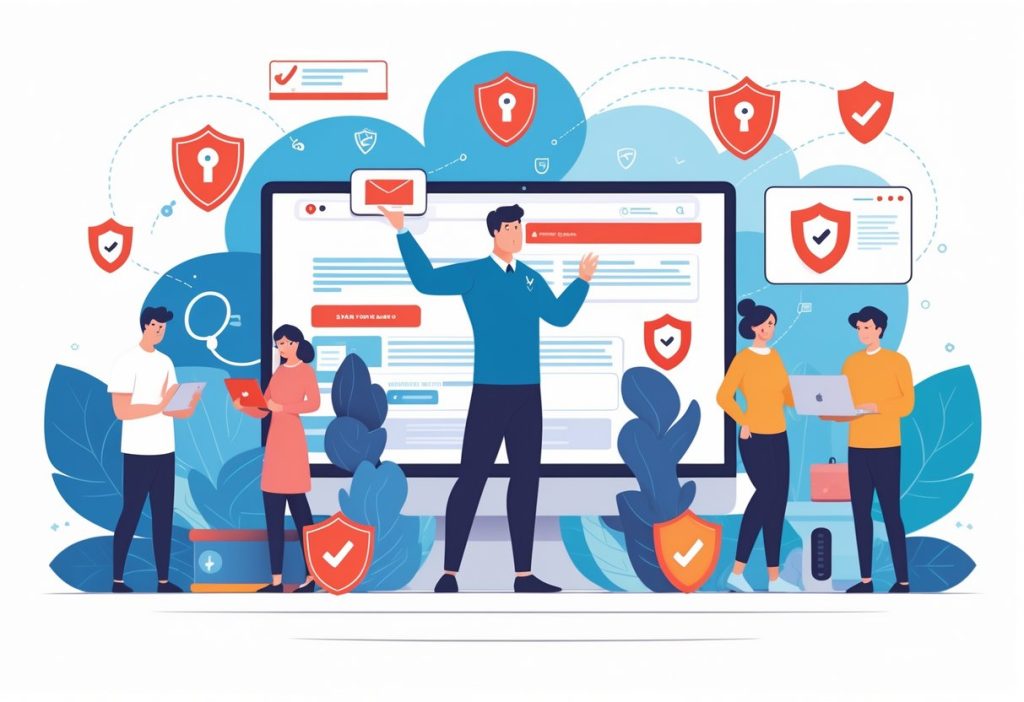
Identifying and Avoiding Common Scams
Scammers use tactics to trick people into giving up money or personal information. Learning to spot warning signs, fake communications, unrealistic offers, and suspicious payment methods helps players protect themselves from fraud.
Recognizing Scam Warning Signs
Several red flags signal a potential scam. Messages with urgent language create false pressure to act quickly.
Generic greetings like “Dear User” instead of a person’s name suggest mass spam. Poor grammar and spelling errors in emails or texts often indicate fraud attempts.
Unsolicited contact from someone claiming to represent a casino or crypto platform should raise concerns. Legitimate companies don’t randomly reach out asking for account details.
Key warning signs include:
- Threats of account closure or legal action
- Requests for passwords or wallet keys
- Promises that require immediate action
- Links that don’t match the official website
- Attachments from unknown senders
Always verify suspicious messages by contacting the company directly through official channels.
Phishing and Impersonation Tactics
Phishing scams use fake emails, texts, or websites that look like trusted brands. Scammers copy logos and design elements to appear legitimate.
Email spoofing creates addresses that seem real at first glance but contain small changes. An address might read “support@casin0.com” using a zero instead of the letter “o.”
Hovering over links before clicking reveals the actual destination. If the URL doesn’t match what’s displayed, it’s likely a scam.
Some fraudsters use AI-generated voices to impersonate customer support or colleagues. They might claim an account has been compromised and needs immediate verification.
Tech support scams involve callers pretending to detect system problems. They request remote access or payment for fake fixes.
Never share login credentials through email or messages. Real support teams don’t ask for this information.
Spotting Fake Offers and Prizes
Scammers use promises of easy money or big wins to lure victims. Messages claiming someone won a lottery they never entered are always fraudulent.
Fake giveaways on social media ask people to share personal details or pay fees to claim prizes. Legitimate promotions don’t require upfront payments or sensitive information.
Crypto investment scams guarantee high returns with little risk. These schemes often involve fake trading platforms or pump-and-dump operations.
Romance scams build fake relationships before requesting money or cryptocurrency. Fraudsters spend weeks gaining trust before making financial requests.
If an offer seems too good to be true, it probably is. Research any opportunity before committing money or information. Check reviews and verify the source through official channels.
Suspicious Payment Requests
Legitimate businesses offer multiple secure payment options. Requests for payment through unusual methods signal potential fraud.
Red flag payment methods:
- Gift cards or prepaid cards
- Wire transfers to unknown recipients
- Cryptocurrency to unverified wallets
- Cash sent through mail services
- Payment apps to personal accounts
Scammers prefer these methods because transactions can’t be reversed. Once money is sent, it’s gone.
Real casinos and crypto platforms use secure payment processors with buyer protection. They provide clear receipts and transaction records.
Be cautious of anyone insisting on a specific payment method. Pressure to use untraceable options indicates a scam. When dealing with crypto transactions, always verify wallet addresses and use platforms with escrow services or fraud protection.
Essential Security Best Practices
Strong security habits protect funds and personal data from criminals who target online users. Three core areas require attention: safeguarding sensitive information, managing accounts properly, and using robust authentication methods.
Protecting Personal and Financial Information
Personal and financial data are prime targets for cybercriminals. Players should never share wallet private keys, seed phrases, or account passwords with anyone, including customer support representatives. Legitimate platforms will never ask for this information.
Crypto security tips start with understanding that blockchain transactions are irreversible. Double-checking wallet addresses before sending funds prevents costly mistakes. Players should verify addresses character by character, as scammers often use addresses that look similar to legitimate ones.
Key information to protect:
- Private keys and seed phrases
- Account passwords and PINs
- Credit card and banking details
- Government-issued ID documents
- Email account credentials
Storing sensitive information offline in encrypted formats adds another layer of protection. Hardware wallets keep crypto assets secure by storing private keys offline. Players should avoid taking screenshots of sensitive data or storing it in cloud services that could be compromised.
Safe Account Management
Account security starts with basic habits that make a significant difference. Players should log out after each session, especially when using shared or public devices. Browser sessions that remain active create opportunities for unauthorized access.
Monitoring account activity regularly helps catch suspicious behavior early. Most platforms offer activity logs showing login times, IP addresses, and transaction history. Players should review these logs weekly and report anything unusual immediately.
Email security matters because accounts are often linked to email addresses. Using a dedicated email address for gaming accounts separates them from personal correspondence. This limits exposure if one account is compromised.
Players should be cautious about phishing attempts that arrive through email or text messages. These fraudulent messages often look legitimate but contain links to fake websites designed to steal login credentials. Verifying the sender’s address and never clicking suspicious links prevents most phishing attacks.
Multi-Factor Authentication and Strong Passwords
Multi-factor authentication (MFA) requires two or more verification methods before granting access. This typically combines something the user knows (password) with something they have (phone or authentication app). Even if criminals steal a password, they cannot access the account without the second factor.
Authentication apps like Google Authenticator or Authy generate time-based codes that change every 30 seconds. These apps are more secure than SMS-based verification, which can be intercepted through SIM swapping attacks.
Strong passwords contain at least 12 characters mixing uppercase letters, lowercase letters, numbers, and symbols. Avoid common words, personal information, or patterns that criminals can guess easily.
Password best practices:
- Use unique passwords for each account
- Store passwords in encrypted password managers
- Change passwords immediately if a breach occurs
- Never reuse passwords across multiple platforms
Password managers generate and store complex passwords securely. They eliminate the need to remember dozens of different passwords while maintaining strong security across all accounts.
Secure Wallet Practices for Crypto and Casino Players
A crypto wallet holds the keys to digital funds, and keeping it secure requires choosing the right type, protecting sensitive access information, and staying alert during every transaction.
Choosing a Trusted Crypto Wallet
Not all wallets offer the same level of protection. Hardware wallets store private keys offline, making them the safest option for players holding large amounts of crypto. These physical devices remain disconnected from the internet, which blocks most hacking attempts.
Software wallets are more convenient for frequent transactions but come with higher risk. Players should select software wallets that include strong encryption and two-factor authentication. Mobile and desktop wallets work well for everyday use, but players need to download them only from official sources to avoid fake apps loaded with malware.
Exchange wallets allow quick deposits and withdrawals at crypto casinos. However, exchanges control the private keys, which means players don’t have full ownership of their funds. Keeping large balances on an exchange increases vulnerability if the platform suffers a breach.
Safeguarding Private Keys and Recovery Phrases
Private keys and recovery phrases grant complete access to wallet funds. Anyone who obtains them can transfer crypto without permission. Players should never share these details with anyone, including customer support teams or casino representatives.
Writing recovery phrases on paper and storing them in a secure location protects against device failure or loss. Digital copies saved on cloud services or email accounts create weak points that hackers can exploit. Using a password manager with strong encryption offers a safer digital option.
Passwords for wallets should combine uppercase and lowercase letters, numbers, and special characters. Short or common passwords make brute-force attacks easier. Enabling two-factor authentication adds another barrier, requiring a second verification step from a mobile device or authentication app.
Verifying Transactions and Sites
Confirming wallet addresses before sending crypto prevents costly errors. Malware can alter clipboard content, replacing the intended address with one controlled by attackers. Players should check the first and last characters of every address manually.
Phishing sites mimic legitimate casino platforms to steal login credentials and wallet information. Players can verify authenticity by checking the URL for spelling errors, confirming the site uses HTTPS, and bookmarking trusted casino domains. Email links should never be trusted without independent verification.
Public Wi-Fi networks expose transaction data to interception. Using a virtual private network encrypts the connection and hides activity from potential eavesdroppers. Players conducting transactions at home should still use updated security software and avoid clicking suspicious links or downloading unknown files.
Responding to and Reporting Suspected Scams
Quick action and proper reporting can protect a player’s funds and help prevent others from falling victim to the same scheme. Players should know exactly what steps to take when something feels wrong and where to turn for help.
Immediate Actions After Suspected Fraud
A player should stop all communication with the suspected scammer immediately. They should not click any additional links, download files, or provide more information.
The next step is securing accounts. Players need to change passwords for their casino account, email, and any linked payment methods. If they shared banking details or credit card information, they should contact their financial institution right away to freeze accounts or dispute charges.
Documentation matters. Players should take screenshots of all conversations, emails, transaction records, and suspicious websites. They need to save URLs, usernames, and any identifying information about the scammer. This evidence helps authorities investigate and may assist in recovering lost funds.
If crypto was involved, players should note the wallet addresses and transaction IDs. Blockchain transactions are permanent, but having this information helps with investigations and potential recovery efforts.
Reporting Scams to Authorities
Players should report scams to ReportFraud.ftc.gov, the federal government’s official reporting website. The Federal Trade Commission collects these reports to track patterns and pursue cases against scammers.
For internet-related crimes, the FBI’s Internet Crime Complaint Center accepts reports at ic3.gov. They investigate online fraud and work with international partners when scams cross borders.
State attorneys general and local consumer protection offices also handle scam reports. Many states have dedicated fraud hotlines and online complaint forms.
When crypto is involved, players should report to the Commodity Futures Trading Commission and their state’s securities regulator. These agencies track crypto-related fraud and can take action against bad actors.
Players need to provide detailed information in their reports: dates, amounts, how contact was made, and all evidence they collected.
Supporting the Casino Community
Players can help protect others by sharing their experiences. Posting warnings on casino forums and review sites alerts the community to new scam tactics. They should include specific details without compromising their personal information.
Many legitimate casinos have internal reporting systems for suspicious activity. Players should notify the casino’s support team if they encounter fake customer service accounts, phishing attempts using the casino’s name, or suspicious players.
Social media platforms have reporting tools for fraudulent accounts and scam advertisements. Flagging these helps remove threats before more people get targeted.
Players can also educate friends and fellow players about common warning signs. The more people who recognize scams early, the harder it becomes for scammers to succeed. Sharing official resources like the FTC’s fraud reporting tools strengthens the entire community’s defense against fraud.
Frequently Asked Questions
What steps should you take to safeguard your digital wallet from unauthorized access?
A digital wallet needs multiple layers of protection to stay secure. Two-factor authentication (2FA) should be activated immediately after setting up any wallet. This adds a second verification step beyond just a password.
Private keys and seed phrases must never be shared with anyone. Legitimate wallet providers and gaming platforms will never ask for this information through email, text, or social media. Players should write down their recovery phrases on paper and store them in a secure physical location instead of saving them digitally.
Each wallet should have a unique, strong password that combines uppercase letters, lowercase letters, numbers, and symbols. Password managers can generate and store these complex combinations safely. Regularly updating passwords also helps maintain security.
Players should move funds from peer-to-peer apps to their bank accounts quickly. This activates FDIC insurance protection that digital wallets often lack.
How can you recognize and avoid phishing attempts when engaging in online transactions?
Phishing messages often contain red flags. Generic greetings like “Hello, Dear” or “Valued Customer” suggest a scam. Real companies use personal names in their messages.
Messages claiming failed login attempts or suspicious activity should raise suspicion. Scammers create urgency to push people into hasty decisions. Legitimate companies provide time to address account issues through official channels.
Links in unexpected emails or texts should never be clicked. Instead, type the company’s URL directly into your browser or use saved bookmarks. This prevents landing on fake websites designed to steal login credentials.
Unknown senders should be blocked immediately. Many Americans received texts from strangers trying to start conversations in 2024. These often lead to scams or malicious links.
Poor grammar, spelling errors, and awkward phrasing often indicate fraudulent messages. Professional companies employ editors and proofreaders to ensure clear communication.
What are the critical factors you need to verify before trusting a website with your sensitive financial information?
A secure website must display HTTPS in its address bar along with a padlock icon. This shows the site uses encryption to protect data during transmission. Sites without these markers should never receive payment information.
License information and regulatory compliance should be clearly visible on gaming platforms. Legitimate operators display their licensing details prominently, usually in the footer. Players can verify these licenses through the issuing authority’s official website.
Contact information signals legitimacy. Real businesses provide ways to reach customer support, including email addresses, phone numbers, and live chat. Scam sites often lack this information or provide only generic contact forms.
Reviews from multiple sources help paint an accurate picture. Check independent review sites rather than relying solely on testimonials on the company’s website. Verified badges on social media accounts add credibility.
Reputable sites offer secure payment options with buyer protection rather than requesting untraceable methods like cryptocurrency exclusively or gift cards.
In what ways can you ensure the security of your personal data when participating in online gaming platforms?
Players should research gaming platforms thoroughly before creating accounts. Team member backgrounds and community feedback provide insight into a platform’s legitimacy. Transparent operations indicate trustworthy businesses.
Account settings should be reviewed regularly to verify that personal information remains accurate and private. Privacy settings should be adjusted to limit what information other users can see. Many platforms default to more public settings than necessary.
Secure payment methods protect financial data better than direct bank transfers. Credit cards and reputable payment processors offer dispute resolution and fraud protection. Players should avoid platforms that only accept high-risk payment types.
Account monitoring helps catch suspicious activity early. Regularly checking transaction history and account changes allows players to spot unauthorized access quickly. Most platforms offer email or text alerts for account activity.
Unused accounts should be closed and associated apps deleted. Old gaming accounts with stored payment information create unnecessary security risks. Closing accounts reduces potential exposure.
What measures can you implement to maintain strong password hygiene for your accounts across different sites?
Every account needs its own unique password. Reusing passwords across multiple sites means one breach compromises all accounts.
Password managers solve the challenge of remembering multiple complex passwords. These tools generate strong passwords and store them securely behind one master password. Many offer features like breach monitoring and automatic password updates.
Passwords should contain at least 12 characters mixing different character types. Longer passwords with varied elements resist brute force attacks better than short, simple ones. Avoiding personal information like birthdays or pet names makes passwords harder to guess.
Regular password changes reduce the risk from undetected breaches. Updating passwords every three to six months ensures that even if credentials were compromised, they become useless quickly. Priority should be given to financial accounts and gaming platforms.
Test payments establish security before large transactions. Sending a small amount first confirms the recipient’s identity and account details. This practice is valuable when using peer-to-peer payment apps for the first time with a new contact.
How do you differentiate between legitimate and fraudulent investment opportunities in the digital space?
Guaranteed returns signal fraud immediately. No legitimate investment can promise specific profits because markets involve risk. Anyone making guarantees is running a scam designed to steal money.
Pressure tactics reveal dishonest intentions. Real investment opportunities allow time for research and consideration. Scammers create urgency with claims of limited spots or expiring offers to prevent careful evaluation.
Unregulated investments carry higher risk. Cryptocurrency and some gaming tokens operate outside traditional financial oversight, which means investors lose the protections available with regulated securities.
Transparency about team members and operations indicates legitimacy. Projects that hide leadership identities or provide vague information about their business model often turn out to be scams. Verifiable information about partnerships and development progress builds trust.
Payment method requests reveal intentions. Legitimate investment platforms accept standard payment methods and provide clear documentation. Requests for cryptocurrency only, gift cards, or unusual payment routes suggest fraud.
Community feedback from multiple sources provides valuable perspective. Other investors’ experiences help identify red flags or confirm legitimacy. Seek out independent forums and review sites instead of relying only on official channels.