
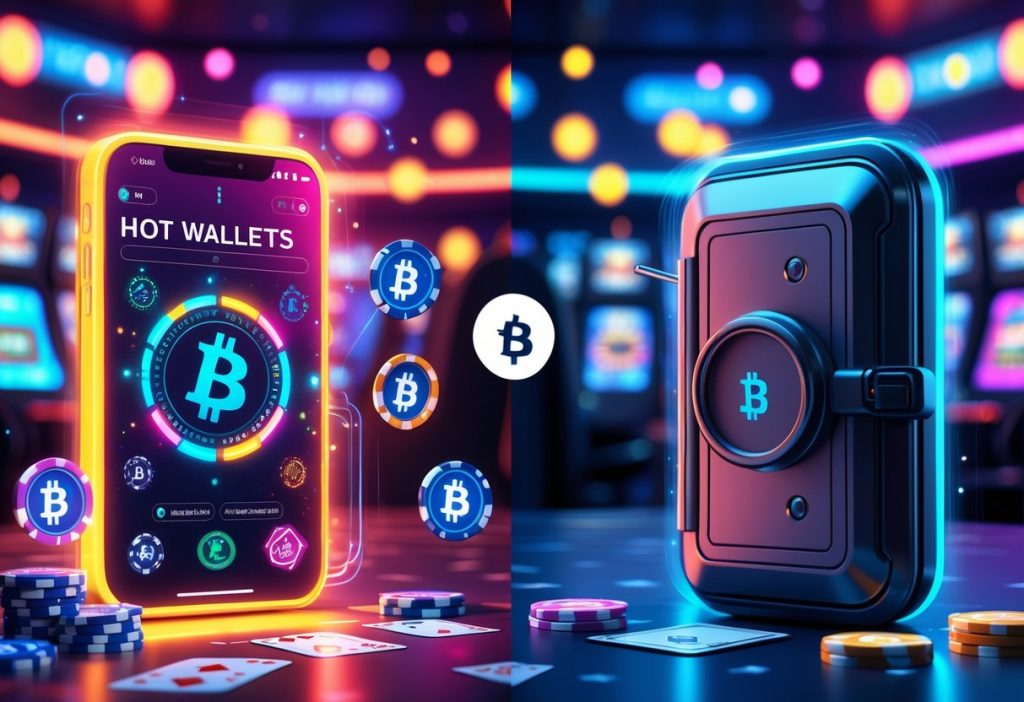
Hot vs Cold Wallets: The Essentials for Casino Players
Casino players need to understand how wallet connectivity and key management affect their funds. The choice between hot and cold storage directly impacts transaction speed, security protection, and how players access their crypto for betting.
Core Differences That Impact Your Casino Experience
Hot wallets stay connected to the internet at all times. This constant connection lets players deposit funds into casino accounts within seconds and withdraw winnings just as fast. Cold wallets work offline, requiring players to physically connect the device each time they want to move funds.
The speed difference matters during live betting. A player using a hot wallet can move crypto to their casino balance in under two minutes. Cold wallet users need to locate their device, plug it in, verify the transaction, and then wait for blockchain confirmation. This process takes 10-15 minutes minimum.
Transaction Speed Comparison:
| Wallet Type | Deposit Time | Best For |
| Hot Wallet | 1-3 minutes | Active daily betting |
| Cold Wallet | 10-15 minutes | Storing large balances |
Most experienced players keep 10-20% of their crypto in hot wallets for immediate play. The remaining 80-90% sits in cold storage until needed.
How Private Keys and Accessibility Shape Your Choice
Private keys prove ownership of crypto assets. Hot wallets store these keys on internet-connected devices like phones or computers. Players access their funds by opening an app and entering a password.
Cold wallets generate and store private keys on hardware devices that never touch the internet. The keys live on a physical USB-like device that must be connected to a computer before any transaction happens.
This difference creates a trade-off. Hot wallets offer convenience through mobile apps and browser extensions. Players can bet from anywhere with internet access. Cold wallets require the physical device to be present, making spontaneous betting sessions impossible without advance planning.
Many casino players use both wallet types together. They keep betting funds in MetaMask or Trust Wallet for quick access. Larger holdings stay protected on a Ledger or Trezor device.
Security Risks Facing Crypto Casino Wallets
Hot wallets face more security threats due to their internet connection. Phishing attacks trick players into revealing passwords or seed phrases. Malware on infected devices can capture login credentials. Exchange hacks expose funds stored on platform wallets.
Cold wallets eliminate most remote attack risks. Hackers cannot access keys that never connect to the internet. The main risks involve physical theft of the device or loss of the recovery phrase.
Common Security Threats:
- Hot Wallets: Phishing scams, malware infections, exchange breaches, SIM swap attacks
- Cold Wallets: Physical device loss, forgotten PIN codes, damaged hardware
Players should enable two-factor authentication on hot wallets and store cold wallet recovery phrases in secure locations away from the device itself. Splitting funds between wallet types reduces the impact if either storage method gets compromised.
Hot Wallets: Flexibility and Fast Action in Online Casinos
Hot wallets give casino players instant access to their crypto, making them essential for live betting and quick deposits. They connect to the internet and work with DeFi platforms and NFT markets, but this convenience comes with security trade-offs that players need to understand.
What Makes a Wallet Hot in 2026?
A hot wallet stays connected to the internet at all times. This includes mobile apps, browser extensions like MetaMask, and desktop software.
The internet connection is what separates hot wallets from cold storage. Players can send crypto, place bets, and withdraw winnings in seconds without unplugging a device or scanning QR codes.
Popular options in 2026 include MetaMask for Ethereum casinos, Phantom for Solana platforms, and Trust Wallet for players who use multiple blockchains. These wallets support dozens of networks and thousands of tokens from a single interface.
The trade-off is clear. Internet connectivity creates more attack vectors than offline storage. Players gain speed but accept higher risk.
Casino Player Benefits: Quick Access, DeFi & NFTs
Hot wallets solve the biggest problem casino players face: timing. When a game starts or odds shift, players need to move funds immediately.
Key advantages for casino users:
- Instant deposits and withdrawals without hardware device delays
- Live betting support for real-time wagering
- DeFi casino integration for yield farming and liquidity pools
- NFT marketplace access for in-game assets and collectibles
- Multi-chain flexibility to switch between Ethereum, Solana, and Polygon casinos
Many crypto casinos in 2026 require wallet connections for provably fair games and decentralized tournaments. Hot wallets handle these interactions smoothly because they’re built for frequent transactions.
Players who participate in casino loyalty programs often receive NFT rewards or governance tokens. Hot wallets manage these assets alongside regular crypto without extra steps.
Security Tips and Real-World Risks
Hot wallets face threats that hardware devices avoid. Malware can access private keys on infected devices. Phishing sites trick players into signing malicious transactions. Fake wallet apps steal seed phrases the moment they’re entered.
Essential protection steps:
- Only download wallets from official sources
- Enable two-factor authentication when available
- Keep small balances for active play only
- Never share seed phrases with anyone
- Use transaction simulation features before signing
- Update wallet software regularly
The smart approach for casino players is limiting hot wallet holdings to betting bankrolls only. If a player keeps $500 for weekly casino action, that amount belongs in a hot wallet. Larger holdings should move to cold storage after winning sessions.
Browser extensions carry extra risk because they interact with websites constantly. Players should verify URLs carefully before connecting wallets to casino sites.
Cold Wallets: Maximum Security for High Rollers and Large Wins
Cold wallets store private keys offline on physical devices, eliminating internet-based hacking risks that plague online storage. Casino players who hit substantial wins need this level of protection to secure their funds against the $3.35 billion in crypto thefts recorded in 2025.
How Cold Wallets Work for Casino Winnings
Cold wallets operate by keeping private keys completely isolated from internet connections. When a player withdraws winnings from a casino, they receive funds to their cold wallet’s public address. The device never exposes the private key, even during transactions.
The process works through USB or Bluetooth connections to computers or phones. Players connect the device, verify the transaction details on the wallet’s screen, and approve it with physical button presses. The signed transaction then broadcasts to the blockchain while the private key remains locked inside the device’s secure chip.
This method works particularly well for casino players who make large withdrawals. After a significant win at platforms like WSMCasino or other crypto casinos, players can move funds directly to cold storage within minutes. The hardware device stays disconnected between transactions, creating an air gap that remote hackers cannot breach.
Popular models include Ledger Nano S Plus ($80), Ledger Nano X ($180), and Trezor Model T ($250). Each contains secure elements that protect keys from physical tampering attempts.
Types of Cold Wallets and Their Uses
Hardware Wallets represent the most common cold storage type. These USB-sized devices store keys on tamper-resistant chips. Casino players typically choose between:
- Ledger devices – Feature Secure Element chips and support over 5,500 cryptocurrencies
- Trezor models – Offer open-source firmware with touchscreen interfaces
- Coldcard Q – Bitcoin-only wallet with air-gapped signing for maximum security
Paper Wallets print private keys and QR codes on physical paper. While completely offline, they create risks during key generation if the computer has malware. Casino players rarely use these due to fragility and one-time-use limitations.
Metal Backup Plates like Cryptosteel protect recovery phrases from fire and water damage. High rollers often combine hardware wallets with metal backups to secure six-figure casino winnings against physical disasters.
The hot vs cold wallet comparison shows clear differences. Hot wallets suit active trading and frequent deposits to casino accounts. Cold wallets protect large balances that players want to hold long-term after cashing out big wins.
Protecting Private Keys and Recovery Phrases
Recovery phrases consist of 12 or 24 words that regenerate wallet access if hardware fails or gets lost. These words function as master keys to all funds. Casino players must treat them with extreme care.
Critical protection rules include:
- Never photograph or screenshot recovery phrases
- Write words on paper using the included recovery sheet
- Store copies in separate physical locations (home safe and bank deposit box)
- Never share phrases with anyone claiming to be customer support
- Consider metal backup solutions for holdings above $10,000
The 2025 security data showed 59% of crypto losses came from access control failures rather than technical hacks. Many victims had stored recovery phrases in email drafts, cloud storage, or password managers where malware could access them.
Casino players should establish a secure storage system before their first major withdrawal. The crypto wallets comparison between custodial casino wallets and non-custodial cold storage clearly favors cold wallets for casino wallet safety on large amounts. Players maintain complete control without depending on platform security.
Splitting recovery phrase storage across multiple locations protects against single points of failure while maintaining recovery capability if one location becomes compromised.
Choosing the Right Wallet Strategy for Your Casino Play
The best wallet setup depends on how often a player bets, how much they win, and their comfort level with extra security steps. Most successful crypto casino players use a split approach—keeping small amounts ready to play while storing larger winnings offline.
Balancing Convenience and Security in 2026
Players face a real trade-off between speed and safety. Hot wallets like MetaMask or Trust Wallet let users deposit and withdraw instantly, which matters during live betting or when claiming time-sensitive bonuses. But leaving funds connected to the internet creates risk—phishing sites, malicious transaction approvals, and compromised devices can drain balances in minutes.
Cold wallets such as Ledger or Trezor eliminate most online threats by keeping private keys offline. The downside is friction: every transaction requires plugging in the device and confirming on its screen. For players who bet daily with small amounts, that extra step slows things down. For those holding significant winnings, the delay is a feature, not a bug.
The right balance depends on session size. A player wagering $50 to $200 per week can keep that amount in a hot wallet without major worry. Someone sitting on a $5,000 win should move most of it to cold storage immediately and only transfer back what they plan to bet next.
Combining Hot and Cold Wallets: Hybrid Approaches
A hybrid setup gives players the benefits of both wallet types without full compromise. The most common method connects a hardware wallet to MetaMask or Phantom. The interface stays familiar and fast, but every transaction requires approval on the physical device. Private keys never touch the computer or phone, so even if the browser gets infected, the funds stay safe.
Another approach splits funds by purpose. Keep a hot wallet loaded with one or two session bankrolls. After each winning streak, withdraw to the hot wallet, then immediately forward profits to cold storage. Leave only enough in the hot wallet for the next planned session.
Many high-stakes players use a third method: they keep one hot wallet for active play, one cold wallet for long-term holdings, and a second hot wallet for moving funds between the casino and cold storage. This air-gaps the main cold wallet from direct casino interaction, adding a layer of separation if the casino wallet ever gets compromised.
Mistakes to Avoid When Managing Casino Funds
Leaving large balances in casino accounts is the most common error. Even reputable platforms face hacking attempts, and custodial risk means players don’t control the keys. Withdraw after every session or at least once a week.
Reusing the same hot wallet address for months without revoking old token approvals creates a growing attack surface on Ethereum and EVM chains. Players should use revoke tools regularly to cancel permissions they no longer need.
Skipping test transactions before moving large amounts leads to irreversible losses from typos or clipboard hijackers. Sending a small amount first confirms the address is correct and the network is functioning.
Storing recovery phrases digitally—in screenshots, cloud notes, or password managers—turns cold wallets into hot ones. A single account breach exposes everything. Write phrases on paper or stamp them into metal, and store copies in separate physical locations.
Frequently Asked Questions
Casino players need clear answers about wallet security, convenience, and when to use each storage type. These questions cover the most common concerns about protecting crypto winnings while maintaining quick access for gameplay.
How do the security features of hot and cold wallets compare when used for online gambling?
Hot wallets stay connected to the internet, which makes them faster for deposits and withdrawals but more exposed to online threats. Hackers can target hot wallets through malware, phishing sites, or fake apps that steal private keys when a player imports their seed phrase.
Cold wallets store private keys offline on physical devices. The keys never touch the internet, which blocks most remote attacks. Even if a player’s computer has malware, the cold wallet requires a physical button press to approve transactions.
For casino players, this means hot wallets offer speed while cold wallets provide maximum protection. The security gap is significant enough that cold storage should hold any winnings a player can’t afford to lose.
What are the risks and benefits of using a hot wallet for casino play, and how do they stack up against cold wallets?
Hot wallets let players deposit funds and claim winnings in seconds. They connect directly to casino platforms without extra steps. Players can move between different games and sites quickly without waiting for hardware device confirmations.
The main risk is internet exposure. A compromised device can lead to stolen funds. Phishing attacks trick players into signing malicious transactions. Hot wallets work best when they hold only the amount needed for active play sessions.
Cold wallets eliminate most online threats but slow down the gaming experience. Every deposit requires connecting the hardware device and physically confirming the transaction. For large winnings or long-term storage, this trade-off makes sense. For active gameplay, it creates friction.
Can you give examples of situations where a hot wallet might be more convenient than a cold wallet for casino enthusiasts?
Hot wallets excel during active gaming sessions. A player moving between poker, slots, and sports betting needs quick access to funds without hardware device delays.
Tournament players benefit from hot wallet speed. Time-sensitive bets and rapid buy-ins don’t work well with cold storage confirmation steps. Players taking advantage of limited-time bonuses or promotions also need instant access.
Small bankroll management suits hot wallets. When a player allocates $200 for a weekend of gaming, keeping that amount in a mobile hot wallet makes sense. The convenience matches the risk level for that dollar amount.
What should you consider when choosing the best wallet for managing your cryptocurrency in the context of online gaming?
Casino players should split their crypto between both wallet types. The two-wallet strategy keeps large balances in cold storage while maintaining a hot wallet for active play.
Multi-chain support matters because different casinos accept different cryptocurrencies. A wallet that handles Bitcoin, Ethereum, and other popular gaming tokens saves time and reduces complexity.
Transaction speed impacts the gaming experience. Some hot wallets process transactions faster than others. Players should test deposit and withdrawal times before committing to a wallet for regular casino use.
Security features like transaction previews help players avoid scams. Wallets that show exactly what will happen before signing a transaction prevent common mistakes that cost casino players money.
How do warm wallets fit into the spectrum of hot and cold storage options for casino players?
Warm wallets blend elements of both hot and cold storage. They keep private keys offline but maintain easier access than full cold storage solutions.
Some warm wallets use multi-signature setups that require approval from multiple devices. Others use MPC technology that splits keys across different locations. These approaches reduce internet exposure while maintaining reasonable access speed.
For casino players, warm wallets can serve as a middle tier. They hold amounts larger than daily gaming funds but smaller than long-term holdings. This creates three storage levels instead of two.
The warm wallet category remains less common than pure hot or cold solutions. Most players find that a simple hot-cold split covers their needs without adding complexity.
What are the latest cold wallet solutions offering enhanced security for your gaming funds as of 2026?
Ledger devices continue to lead the market with support for numerous cryptocurrencies used in online gaming. Their Ledger Live app connects to many casino platforms while keeping private keys on the hardware device.
Trezor offers fully open-source firmware that security-focused players prefer. Independent researchers can verify every component, which builds trust for players storing significant winnings.
NGRAVE takes air-gapped security to the extreme with no USB, Bluetooth, or WiFi connections. The device communicates only through QR codes, which eliminates all wireless attack vectors. Players with large casino winnings get maximum protection.
BitBox targets Bitcoin-focused casino players with a minimalist design. The simplified feature set reduces potential security vulnerabilities while maintaining strong protection for BTC winnings.
Hardware wallet prices in 2026 range from $60 to $400 depending on features and security level. For casino players with winnings exceeding a few hundred dollars, this cost represents basic portfolio protection rather than an optional upgrade.