
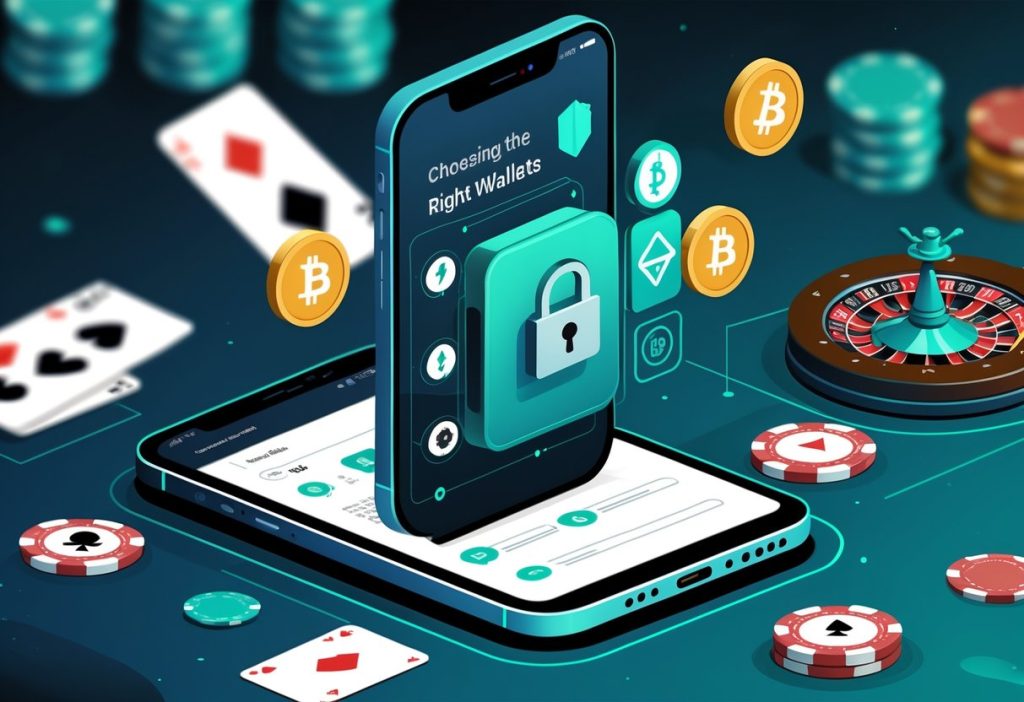
Choosing the Right Wallets for Crypto Casino Play
The wallet a player selects determines how secure their funds remain and how smoothly transactions flow. Hot wallets offer speed for active players, while cold wallets protect larger holdings from online threats.
Understanding Hot vs Cold Wallets
Hot wallets connect to the internet and allow instant access to funds. Players use them through mobile apps or browser extensions like MetaMask and Trust Wallet. These wallets make deposits and withdrawals quick, which suits anyone who plays regularly and needs fast transactions.
Cold wallets store cryptocurrency offline on physical devices like Ledger Nano X or Trezor. They protect funds from hackers because the private keys never touch the internet. Players who hold significant winnings should move those funds to cold storage between gaming sessions.
Hot wallets work best for:
- Daily deposits and withdrawals
- Small to medium amounts
- Quick access during play
Cold wallets work best for:
- Long-term storage
- Large balances
- Maximum security
Many experienced players use both types. They keep a small amount in a hot wallet for active play and store the rest in cold storage.
Custodial and Non-Custodial Options
Custodial wallets mean a third party controls the private keys. Exchange wallets like those on Coinbase or Binance fall into this category. The company manages security, but players don’t have full control over their funds.
Non-custodial wallets give players complete ownership of their private keys. They control their crypto directly without relying on any company. This option requires more responsibility but offers true financial independence.
Players should avoid leaving funds in custodial casino wallets or exchanges. These platforms can freeze accounts, get hacked, or face technical problems. A personal non-custodial wallet ensures the player maintains control at all times.
Recommended Wallet Types for Players
For beginners: Mobile hot wallets like Trust Wallet or Exodus provide simple interfaces and built-in exchange features. They support multiple cryptocurrencies and guide users through each step.
For regular players: MetaMask works well for Ethereum-based tokens and connects easily to most crypto casinos. It balances security with convenience through browser integration.
For serious players: Hardware wallets like Ledger Nano X protect large balances while still allowing regular transactions. Players can connect them when needed and keep them offline otherwise.
Players should verify their chosen wallet supports the specific cryptocurrencies their casino accepts. Bitcoin, Ethereum, Litecoin, and Tether remain the most common options. The wallet must also include two-factor authentication and backup recovery options to store crypto safely during casino play.
Securing Crypto Transactions Between Wallets and Casinos
Moving crypto between a personal wallet and a casino requires careful attention to detail. A single mistake in an address or network selection can result in permanent loss of funds.
Address Verification and Test Transactions
Every crypto transaction starts with getting the right wallet address. Players need to copy the casino’s deposit address directly from their account dashboard. Never type it manually or use saved addresses from old transactions, as addresses can change.
Double-checking every character matters. One wrong letter or number sends funds to the wrong place with no way to get them back. Most wallets show a QR code option that reduces human error.
Test transactions protect large deposits. Before sending a significant amount, players should send a small test amount first. If $5 or $10 worth of crypto arrives safely at the casino, the full amount can follow. This extra step costs a small network fee but prevents major losses.
Network selection deserves attention too. Some cryptocurrencies like USDT operate on multiple blockchains (Ethereum, Tron, Binance Smart Chain). The wallet network must match the casino’s accepted network exactly, or the funds disappear into the void.
Safely Depositing Funds into Casino Accounts
Smart players keep their casino deposits separate from long-term crypto holdings. A dedicated hot wallet for casino use limits exposure if something goes wrong. Hardware wallets should stay reserved for larger amounts and long-term storage.
Before depositing, players need to check current network fees. Bitcoin transactions during high traffic periods can cost $10-$20 or more. Networks like Litecoin or Tron typically offer faster processing and lower fees for casino deposits.
Transaction times vary by cryptocurrency. Bitcoin confirmations can take 10-60 minutes depending on network congestion. Ethereum and other altcoins often process within 2-15 minutes. Players should wait for the casino to confirm receipt before starting to play.
Withdrawing Winnings to Personal Wallets
Casino winnings should move to a personal wallet as soon as possible. Leaving funds sitting in a casino account exposes them to platform risks that players cannot control. Regular withdrawals keep earnings secure under the player’s direct management.
The withdrawal process mirrors deposits but in reverse. Players provide their personal wallet address to the casino and specify the amount. Most platforms process crypto withdrawals faster than traditional banking methods, often within 24 hours.
Withdrawal limits and fees vary by casino. Some platforms set minimum withdrawal amounts or charge processing fees. Players should review these terms before requesting a payout to avoid surprises. Choosing the right cryptocurrency for withdrawal can save money on network fees.
After requesting withdrawal, players need to monitor their wallet for incoming transactions. Most wallets send notifications when funds arrive. If a withdrawal takes longer than expected, contacting casino support with the transaction ID helps track the payment.
Essential Safety Measures and Advanced Protection
Strong crypto security rests on three foundations: protecting recovery phrases from loss and theft, locking down devices with hardware authentication, and carefully controlling which platforms can access funds.
Backup and Seed Phrase Security
A seed phrase is the master key to a wallet. Losing it means losing all funds permanently. Writing it on paper creates fire and water risks. Metal backup plates resist both and cost under $30.
Players should never store seed phrases in cloud services, email, or phone screenshots. Digital copies get hacked. Each word should be stamped or engraved on metal in order, then stored in two separate physical locations.
The passphrase feature adds a 25th word that creates hidden accounts. Under coercion, a player can reveal the base wallet with small amounts while keeping the passphrase-protected vault hidden. This works only if the passphrase itself is memorized or stored separately from the main seed.
Test recovery once before depositing large amounts. Wipe a spare device and restore the wallet using only the backup. This confirms the seed was recorded correctly.
Two-Factor Authentication and Device Safety
SMS codes are vulnerable to SIM-swap attacks. Hardware security keys using FIDO2 or U2F standards block remote attackers even if passwords leak. Yubico and Google Titan keys cost $25–$50 and work across exchanges and email accounts.
Enable full-disk encryption on computers and phones. Set devices to lock after two minutes of inactivity. Keep operating systems and wallet apps updated from official sources only.
Casino players using API connections should create keys with trade-only permissions. Disable withdrawal rights at the API level. Apply IP address whitelists so keys work only from known locations. Rotate API keys every 90 days.
Managing Approvals and Permissions
DeFi casino platforms often request token approvals to move funds. Unlimited approvals let a compromised contract drain entire wallets. Set exact amounts for each transaction instead.
Use Revoke.cash or Etherscan’s approval checker monthly to cancel old permissions. Wallets connected to unknown dApps months ago may still hold spending rights.
Keep a separate wallet for casino use with only enough crypto for planned sessions. The main savings wallet never connects to casino or DeFi interfaces. This isolation limits damage if a platform gets exploited or a malicious script runs during gameplay.
Long-Term Storage and Future-Proofing Your Crypto
Players who use crypto for casino gaming often accumulate winnings over time. Multi-signature wallets distribute control across multiple devices or people, reducing single points of failure. Planning for inheritance ensures loved ones can access funds if needed. Technology changes quickly, so reviewing wallet choices every few years keeps security strong.
Hybrid and Multisignature Solutions
A hybrid approach splits crypto between cold storage for long-term holdings and hot wallets for active casino play. Most players keep 80-90% of their crypto in hardware wallets or offline storage, with only 10-20% in online wallets for deposits and withdrawals. This limits exposure to hacks while maintaining quick access for gaming.
Multi-signature wallets require two or three separate approvals before funds move. A player might set up a 2-of-3 configuration using one key on a hardware wallet, another on a mobile device, and a third stored in a safe location. This protects against theft, device loss, or compromise of a single key.
Popular multi-sig options include Electrum for Bitcoin and Gnosis Safe for Ethereum. These tools add complexity but provide strong protection for larger balances. Players with significant casino winnings should consider multi-sig for amounts they plan to hold beyond immediate gaming needs.
Inheritance Strategies for Digital Assets
Crypto holdings disappear if no one else can access them. Players should document their wallet types, seed phrases, and passwords in a secure format. Steel or titanium backup plates resist fire and water damage better than paper.
A trusted family member, lawyer, or digital asset custodian can hold recovery information. Some players use a 2-of-3 multi-sig setup where one key goes to a spouse and another to an attorney. Others store encrypted instructions in a safe deposit box with clear opening procedures.
Services like Casa and Unchained Capital offer collaborative custody that builds inheritance planning into their platforms. These solutions let heirs access funds through verified legal processes without exposing keys during the account holder’s lifetime.
Reviewing Wallet Choices as Technology Evolves
Hardware wallets and software standards change. Devices from 2020 may lack security updates by 2026. Players should check manufacturer support timelines and plan migrations every 3-5 years.
Quantum computing poses future risks to current encryption methods. While not an immediate threat, blockchains are developing quantum-resistant algorithms. Staying informed about protocol upgrades helps players time wallet migrations before old standards become vulnerable.
New wallet features emerge regularly. Better mobile security, improved multi-sig interfaces, and enhanced privacy tools become available. Players should review their storage setup annually, especially after major casino wins. Testing recovery procedures with small amounts confirms backups work before they’re urgently needed.
Hardware wallet firmware updates fix vulnerabilities but should only be installed from official sources. Fake update notifications are common phishing tactics.
Frequently Asked Questions
Players moving crypto between wallets and casinos need clear answers about security, wallet types, and protecting their funds during transfers and withdrawals.
What are the best practices for keeping your cryptocurrency secure when transferring funds to a casino wallet?
Always verify the destination address by checking the first and last six characters before confirming any transaction. Clipboard hijacking malware can swap addresses silently, so a quick visual check catches most attempts.
Start with a small test transaction when sending to a new casino for the first time. The few extra minutes and minimal fee cost far less than losing a large deposit to a typo or wrong network.
Bookmark the casino’s official withdrawal page and never click links from emails or messages claiming to be from support. Phishing sites look identical to real ones, and entering wallet details on a fake page hands attackers everything they need.
Use a dedicated hot wallet for casino play rather than sending directly from an exchange or your main cold storage. This separation limits exposure if the casino suffers a breach or a transaction approval goes wrong.
Can you outline the types of wallets recommended for storing gaming funds and their respective security features?
Hot wallets like MetaMask, Trust Wallet, and Phantom work best for active casino play. They connect to the internet for instant deposits and withdrawals, making them convenient for players who bet frequently. The trade-off is vulnerability to device compromise and malicious transaction approvals.
Cold wallets such as Ledger Nano X, Trezor Model T, and Coldcard keep private keys offline and away from remote attacks. They suit players storing winnings they don’t plan to use soon. The extra step to connect the device before sending funds adds friction that protects large balances.
A hybrid approach pairs a hardware wallet with a hot wallet interface. Players sign every transaction on the physical device while keeping the convenience of familiar apps like MetaMask. This setup balances speed with security for regular bettors.
Casino deposit wallets provided by platforms should only hold funds a player intends to wager immediately. These custodial solutions don’t give players control of private keys, making them unsuitable for storage beyond active gaming sessions.
How can you ensure the safety of your crypto assets when collecting payouts from online gambling platforms?
Withdraw winnings to a wallet the player controls rather than leaving balances on the casino platform. Exchanges and gambling sites face constant attack pressure, and funds in custodial wallets remain at risk until moved to personal storage.
Split large wins between a hot wallet for near-term play and cold storage for long-term holding. Keep only the amount needed for the next few sessions in the hot wallet, and transfer the rest to offline storage within hours of the payout.
Check withdrawal addresses match the intended destination before submitting the request. Copy the address from the receiving wallet directly rather than typing it manually or pulling it from saved notes that might be outdated.
Wait for sufficient network confirmations before considering a withdrawal complete. Bitcoin typically needs three to six confirmations, while Ethereum and other chains vary. The casino interface usually shows confirmation status, but verifying on a block explorer adds certainty.
What are the top security risks to be aware of when using cryptocurrency for online gaming, and how can you mitigate them?
Token approval exploits on Ethereum and EVM-compatible chains let malicious contracts drain wallets after a player signs a seemingly normal transaction. Review every approval request carefully, set spending limits to the minimum needed, and revoke old approvals regularly using tools designed for that purpose.
Phishing attacks target casino players through fake support messages, spoofed login pages, and fraudulent bonus offers. Bookmark legitimate casino URLs and wallet sites, ignore unsolicited direct messages about account issues, and never enter seed phrases on any website.
Device compromise from malware or spyware can capture passwords, seed phrases, and transaction details. Keep operating systems and wallet software updated, avoid downloading browser extensions from unknown sources, and consider using a separate browser profile or device for crypto transactions.
SIM-swap attacks bypass SMS-based two-factor authentication by convincing mobile carriers to transfer a phone number to a new device. Switch to app-based authentication like Google Authenticator or hardware security keys for accounts holding or moving funds.
Could you explain the importance of using two-factor authentication for casino-related crypto transactions?
Two-factor authentication adds a required second proof of identity beyond just a password. Even if an attacker obtains login credentials through phishing or a data breach, they cannot access the account without the second factor.
App-based authenticators like Google Authenticator or Authy generate time-sensitive codes that work without network access. These methods resist SIM-swap attacks that target SMS-based verification and provide stronger protection for casino accounts and linked wallets.
Hardware security keys such as YubiKey offer the highest level of account protection. They require physical possession of the device to complete login, making remote account takeover nearly impossible even if passwords leak.
Enable two-factor authentication on both the casino account and any exchange or hot wallet used for deposits. Protecting each point where funds move or rest reduces the chance of unauthorized access.
How should you handle your private keys to maintain optimal security for your casino bankroll?
Write down seed phrases by hand on paper or metal backup plates. Never store them in cloud services, password managers, or as photos on devices connected to the internet. Digital copies create attack vectors that defeat the purpose of self-custody.
Store the primary seed phrase copy in a secure location at home and keep a second copy in a separate physical location. This redundancy protects against loss from fire, flood, or theft at a single site.
Treat private keys with the same care as large amounts of cash. Anyone who obtains a seed phrase gains complete control of the associated funds with no way to reverse transactions or recover stolen crypto.
Advanced users can add a passphrase to their hardware wallet that creates a hidden wallet alongside the default one. This extra word protects funds even if someone finds the seed phrase, though it must be remembered separately and never stored with the phrase itself.